


Traffic accidents are among the most common legal issues individuals face in Turkey due to the rapid increase in the number of vehicles, the expansion of cities, and the growing population density. What may initially appear as a simple incident often evolves into a complex legal matter involving civil, criminal, and administrative liabilities. This becomes even more significant when foreign residents or visitors are involved.
This article provides a comprehensive overview of traffic accidents in Turkey, the types of liability they entail, compensation mechanisms, insurance coverage, and the specific challenges that foreigners may face.
First: Dimensions of Legal Liability in Traffic Accidents
Turkish law establishes that every driver is responsible for their actions while driving, and any damage caused by an accident falls under the principle of liability for unlawful acts. Liability is divided into three main dimensions:
- Civil Liability
The at-fault driver is required to compensate the victim for the damages caused. This includes:
Material damages, such as damage to vehicles, property, and financial losses.
Non-material damages, such as harm to dignity, emotional distress, or personal suffering.
- Criminal Liability
If the accident results in serious bodily harm or death, the driver may face criminal charges. Depending on the severity of the case, penalties can include imprisonment, heavy fines, or both. Courts take into account negligence, intent, and circumstances surrounding the accident when deciding punishment.
- Administrative Liability
This includes traffic fines, suspension of the driver’s license, or temporary seizure of the vehicle.
Second: Compensation for Damages
Victims of traffic accidents in Turkey have the right to claim full compensation before the competent courts. Compensation covers two main categories:
- Material Damages
Repair or replacement of the damaged vehicle.
Medical expenses, including hospital stays, surgeries, medication, and rehabilitation.
Loss of income due to temporary or permanent inability to work.
- Moral (Non-Material) Damages
Compensation for pain, suffering, and psychological trauma.
Compensation for the victim’s family in cases of death or severe injury.
Courts rely on expert reports, medical evaluations, and technical assessments to calculate fair compensation amounts.
Third: The Role of Mandatory Traffic Insurance
Turkish law requires all vehicles to have compulsory traffic insurance (zorunlu trafik sigortası). This ensures that victims of accidents receive compensation for damages caused by the insured vehicle.
If the at-fault driver does not have valid insurance, they must personally pay compensation. In some cases, the state may cover the damages initially and then recover the costs from the driver.
Additionally, optional comprehensive insurance (kasko) is strongly recommended, as it covers damages to the driver’s own vehicle and provides broader financial protection.
Fourth: The Situation of Foreigners in Traffic Accidents
When a foreigner is involved in a traffic accident, legal procedures may become more complicated:
Language barrier: A foreigner may sign official documents without fully understanding them, which could negatively affect their legal position.
Deportation risks: In cases involving severe injuries or fatalities, foreigners may face administrative deportation procedures alongside criminal penalties.
Cross-border enforcement: If one of the parties resides abroad, enforcing court judgments may require international legal cooperation.
Right to an interpreter: Foreigners are legally entitled to the assistance of a sworn translator during investigations and trials.
Fifth: Practical Steps After a Traffic Accident
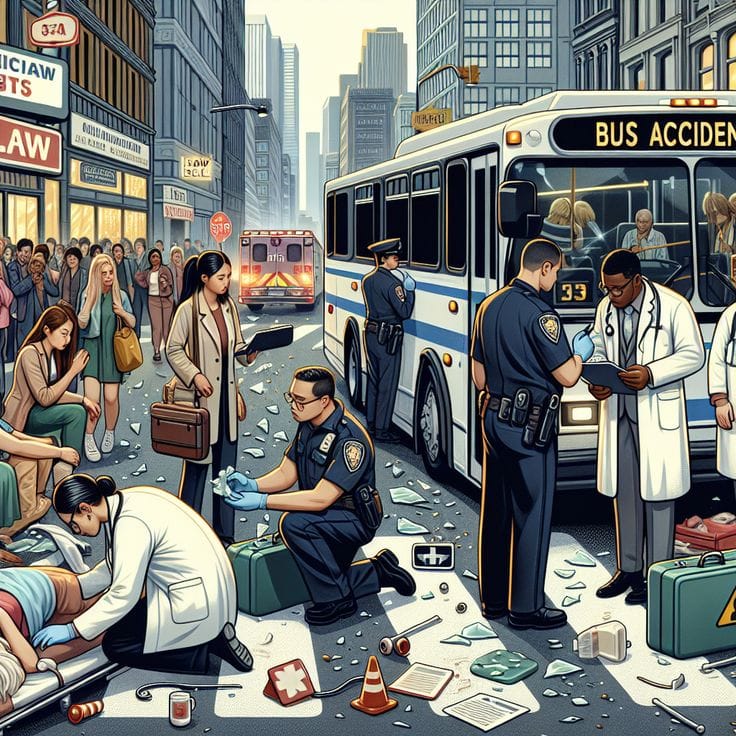
If a traffic accident occurs in Turkey, the following steps should be taken:
- Call the police or gendarmerie depending on the location of the accident.
- Do not move the vehicles until the authorities arrive, unless it is a very minor accident with no injuries.
- Exchange driver’s licenses, vehicle registration, and insurance details.
- Take photographs of the accident scene, vehicles, and road conditions.
- Visit a hospital immediately for a medical report, even if injuries seem minor.
Sixth: Legal and Preventive Advice
Do not sign any documents you do not fully understand; always request the help of a sworn translator if necessary.
Keep your driver’s license, insurance policy, and vehicle documents with you at all times.
Avoid informal settlements in accidents involving physical injuries, as you may lose your legal rights.
Contact a lawyer specialized in Turkish law immediately after the accident, especially if you are a foreigner.
Seventh: Statistical Perspective
According to official statistics, hundreds of thousands of traffic accidents occur annually in Turkey. These result in thousands of fatalities and tens of thousands of injuries. Such numbers highlight the seriousness of the issue and the urgent need for both legal awareness and preventive measures.
Traffic accidents in Turkey are not merely random events; they can turn into serious legal cases with long-lasting effects on individuals’ rights, careers, and even residency status. Understanding Turkish traffic laws, knowing the correct procedures, and seeking professional legal assistance when needed are essential for protecting one’s rights and minimizing negative consequences.
Ultimately, prevention through cautious driving, proper insurance coverage, and legal awareness remains the most effective way to avoid the severe outcomes of traffic accidents.